Understanding the Cadillac Lyriq's Driving Modes
The Cadillac Lyriq represents a significant step forward in electric vehicle (EV) technology, emphasizing luxury, performance, and efficiency. As potential owners explore the intricacies of this vehicle, one pressing question arises: do the driving modes in cadillac lyriq offer different ranges or battery usages? Understanding how the Lyriq’s driving modes affect battery performance is vital for maximizing the efficiency of this luxury EV.
What Are the Driving Modes in Cadillac Lyriq?
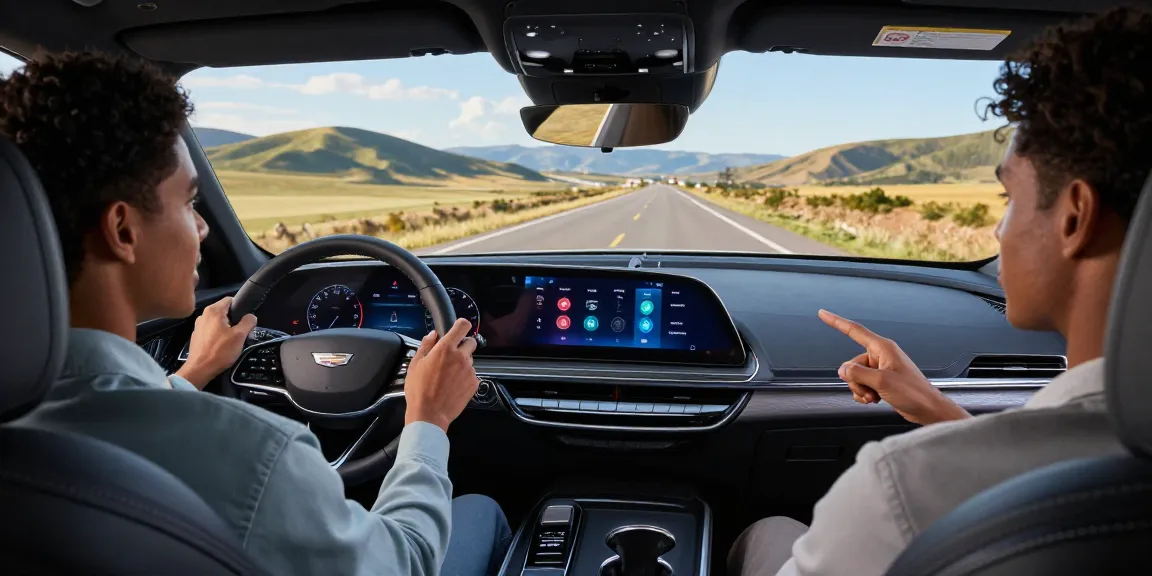
The Cadillac Lyriq features a selection of driving modes designed to cater to various driving preferences and conditions. Each mode adjusts the vehicle's throttle response, steering characteristics, and regenerative braking settings, creating distinct driving experiences while maintaining the same battery capacity.
Overview of Tour, Sport, Snow/Ice, and Custom Modes
- Tour Mode: The default setting that prioritizes comfort and range. It limits aggressive acceleration and promotes smooth driving, making it ideal for daily commutes.
- Sport Mode: This mode enhances performance, delivering sharper throttle response and quicker acceleration. While it boosts driving excitement, it can consume more battery power.
- Snow/Ice Mode: Designed for challenging weather conditions, this mode reduces throttle sensitivity and enhances traction, prioritizing safety over performance.
- Custom Mode: Allows drivers to personalize their driving settings, adjusting elements such as steering feel and braking strength according to their preferences.
How Each Mode Influences Vehicle Performance
Each driving mode in the Lyriq plays a crucial role in how the vehicle interacts with its environment. For instance, Sport Mode’s quick throttle response and dynamic steering can significantly enhance driving enjoyment but may lead to increased battery usage, especially in urban settings where frequent acceleration and deceleration occur. In contrast, Tour Mode is engineered to optimize battery efficiency, making it the preferred choice for long-distance travel when conserving energy is paramount.
Impact of Driving Modes on Battery Usage
Energy Consumption Across Different Modes
The notion that different driving modes affect battery usage is rooted in how each mode alters the vehicle's performance parameters. For example, while Tour Mode conserves energy through steady, moderate acceleration, Sport Mode’s responsiveness can lead to higher energy consumption in demanding driving situations. Understanding these nuances can help drivers make informed decisions based on their specific driving needs.
Does Sport Mode Affect Battery Life?
Yes, Sport Mode can impact battery life due to its more aggressive power delivery. Drivers seeking a more spirited driving experience may notice a reduction in range when using this mode frequently. Thus, for those focused on maximizing their Lyriq’s range, monitoring driving habits and selecting the appropriate mode becomes essential.
Understanding Efficiency in Tour Mode
Tour Mode is recognized as the most energy-efficient among the settings available in the Lyriq. By promoting smoother acceleration and minimizing rapid speed changes, this mode maintains consistent energy consumption, supporting longer ranges. This feature makes Tour Mode particularly advantageous for everyday commutes and extended road trips.
Regenerative Braking: Enhancing Efficiency
How Regenerative Braking Works in the Lyriq
Regenerative braking is a key feature in electric vehicles, including the Cadillac Lyriq. This technology captures energy typically lost during braking and redirects it back into the battery, enhancing overall efficiency. The effectiveness of regenerative braking can vary between driving modes, impacting real-world energy savings.
Effect of Driving Modes on Braking Efficiency
Driving modes can influence how regenerative braking functions. In Tour or Custom Modes, regenerative braking may be more aggressive, allowing for greater energy recovery during city driving. Conversely, Sport Mode might prioritize performance over energy recovery, which could result in less energy being recaptured during deceleration.
Maximizing Energy Recovery in Various Conditions
To maximize energy recovery, drivers should consider using Tour or Custom Modes in stop-and-go traffic. These modes enhance the vehicle's ability to recapture energy, leading to improved battery efficiency and range. Adapting driving techniques, such as coasting when possible, can further support energy recovery efforts.
Real-World Range Differences: Analyzing Performance
Real-Life Testing of Driving Modes
Real-world tests have shown that the differences in driving modes can yield varied range outcomes. In extensive trials, drivers have found that while the differences in range between modes may not be as significant as some might expect, they do exist and can affect overall performance.
Comparing Range in Different Environments
Range can also fluctuate based on environmental conditions. For instance, hills and aggressive driving in Sport Mode can lead to marked reductions in range, while flat terrain in Tour Mode often enables drivers to maximize distance per charge.
Driver Behavior vs. Mode Selection Impact on Range
While mode selection is influential, driver behavior plays a more significant role in determining the effective range of the Cadillac Lyriq. Smooth acceleration and mindful braking have a more profound impact on conserving battery than the specific driving mode selected. Drivers should cultivate energy-efficient driving habits to get the most out of their EV.
Tips for Maximizing Your Lyriq's Range
Best Practices for Mode Selection
To maximize the Lyriq's range, drivers should utilize Tour Mode for everyday use and consider Sport Mode sparingly for specific driving scenarios. Understanding when to switch modes can lead to significant energy savings.
Driving Techniques to Improve Battery Efficiency
- Accelerate gradually: Smooth acceleration reduces energy consumption.
- Utilize regenerative braking: Anticipate stops to maximize energy recovery.
- Monitor speed: Maintaining a consistent and moderate speed can enhance battery range.
How Often to Switch Between Modes for Optimal Range
Switching between modes based on driving conditions can be beneficial. For urban driving environments, switching to Tour Mode can help maintain range, while Sport Mode may be preferred in safe, open roads for more spirited driving. Regularly adapting the driving mode to suit the situation can optimize battery efficiency.
Do Driving Modes Change the Battery's Capacity?
No, driving modes do not alter the physical capacity of the Cadillac Lyriq's battery. The battery remains a consistent 102 kWh; driving modes only influence the rate of energy consumption. Understanding this distinction clarifies how energy efficiency can be managed through driving habits.
Can Driving Styles Compromise Energy Efficiency?
Yes, aggressive driving styles can significantly compromise energy efficiency. Frequent hard accelerations, rapid decelerations, and high-speed driving contribute to increased battery consumption, regardless of the selected driving mode.
Practical Tips for Everyday Driving in the Lyriq
For everyday driving, it is advisable to primarily use Tour Mode, employ smooth driving techniques, and leverage regenerative braking whenever possible. This combination can help drivers achieve optimal range while enjoying the benefits of their luxury EV.
What to Expect from Different Driving Modes?
Each driving mode in the Cadillac Lyriq is designed to provide a unique driving experience. Tour Mode prioritizes efficiency, Sport Mode enhances performance, Snow/Ice Mode ensures safety, and Custom Mode allows for driver preference. Familiarizing oneself with these modes can enhance the overall driving experience.
How Do Weather Conditions Affect Driving Mode Efficiency?
Weather can influence how different driving modes perform. For example, in snowy or icy conditions, Snow/Ice Mode can improve traction but may not optimize battery usage compared to Tour Mode. Understanding these effects is vital for making informed decisions about driving modes.