Understanding Woodworm: The Hidden Threat to Your Wood
Woodworm is a term that encompasses various woodboring beetles and their larvae that can cause significant damage to wooden structures and furniture. These pests are often more than just a nuisance; they can compromise the integrity of wooden items and introduce costly repairs for homeowners and woodworkers alike. In the realm of woodworking, recognizing the signs of woodworm infestation and understanding their lifecycle is crucial for preserving your investments. When exploring options for effective pest control, Shashel provides comprehensive insights into woodworm elimination.
What Are Woodworms and Their Lifecycle?
Woodworms typically belong to beetle families such as Anobidae and Cerambycidae. The lifecycle of woodworms begins when female beetles lay eggs in or near wood. Once the eggs hatch, the larvae burrow into the wood, feeding on its cellulose. This feeding behavior results in the characteristic tunnels and holes in furniture and structures. Depending on the species, woodworm larvae can remain in the wood for several months to years before emerging as adult beetles to continue the cycle.
Identifying Signs of Infestation
Early detection of woodworm is critical. Common signs include:
- Small round exit holes on the surface of the wood.
- Tunneling patterns visible in wood.
- Frass, which is a powdery substance or droppings from the larvae.
- Weak and crumbling wood that lacks structural integrity.
Conduct regular inspections of wooden furniture and structures, especially in damp or poorly ventilated areas, to catch infestations early.
The Impact of Woodworm on Furniture and Structures
The impact of woodworm infestations can be severe. If left untreated, woodworm can lead to extensive damage, making furniture unsafe and compromising the integrity of structural elements in homes. In severe cases, woodworm can necessitate complete replacement of the affected items, leading to unexpected costs and disruptions.
The Shashel Solution: Revolutionizing Pest Control
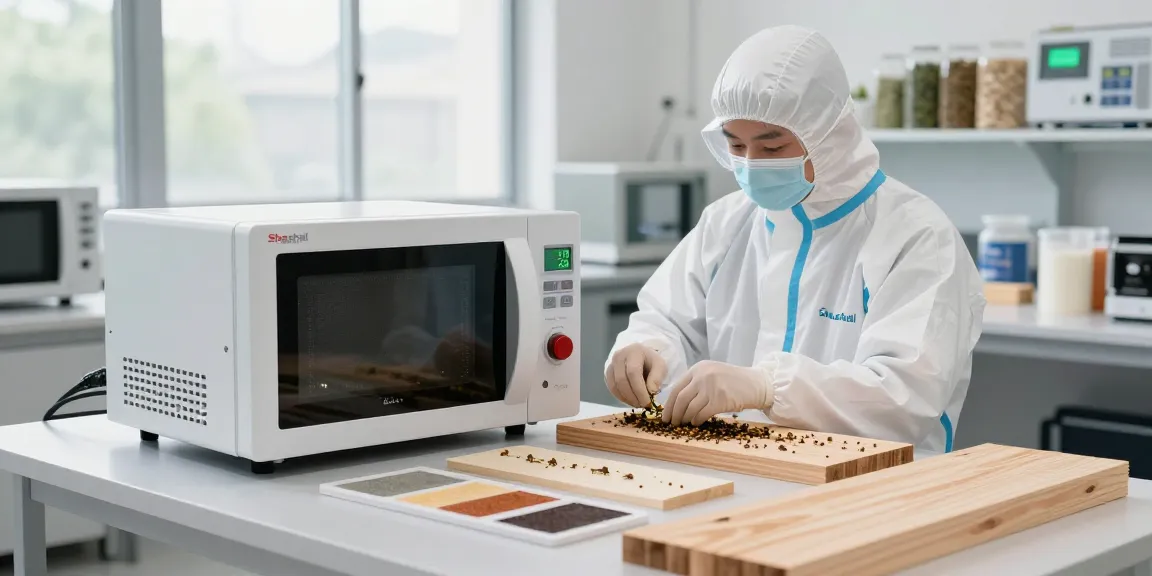
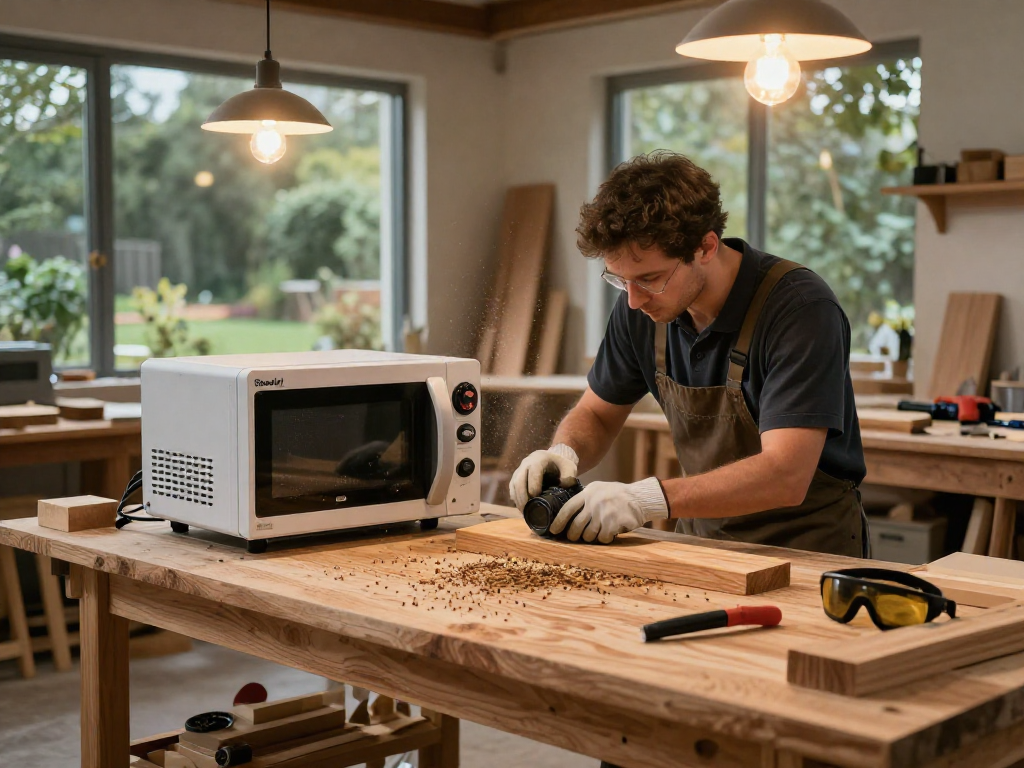
Shashel offers state-of-the-art microwave technology designed to target woodworms effectively. This innovative approach not only eliminates infestations quickly but also minimizes the risk of damage to the wood itself. By utilizing microwave frequencies, Shashel’s equipment heats the wood and kills the woodworms without the need for harmful chemicals.
How Shashel's Microwave Technology Works
Shashel’s equipment operates by emitting microwave radiation that penetrates the wood, raising its temperature to a level lethal for woodworms and other pests. Unlike traditional methods that may require multiple treatments and prolonged exposure times, Shashel's technology can achieve effective results in just a few minutes. This speed is particularly valuable for woodworkers and restoration specialists aiming to minimize downtime.
Benefits of Using Shashel Equipment for Woodworkers
For woodworkers, the benefits of using Shashel equipment are numerous:
- Speed: Rapid woodworm elimination reduces turnaround times for projects.
- Non-invasive: Maintains the integrity and quality of the wood.
- Versatility: Effective on various types of wood, including those with hidden infestations.
- Environmentally friendly: Relies on heat rather than chemicals, making it a safer choice for both users and the environment.
Comparative Analysis: Shashel vs. Traditional Methods
When comparing Shashel’s microwave method with traditional pest control techniques, several key differences emerge:
- Time Efficiency: Traditional methods might require extensive preparation and repeated applications, while Shashel offers quick, one-time treatment.
- Safety: Shashel eliminates the risks associated with chemical treatments, making it a favorable option for indoor use.
- Effectiveness: Microwaves penetrate deeper, targeting woodworms that are hidden within wood, which traditional methods may miss.
The Process of Woodworm Elimination with Shashel
Using Shashel's equipment for woodworm elimination is straightforward. The process involves a few essential steps that ensure effective treatment and safety for users.
Step-by-Step Guide: Setting Up the Shashel Equipment
- Prepare the area by removing any obstructions around the infested wood.
- Set up the Shashel unit according to the manufacturer's guidelines. Make sure it is plugged in and ready for operation.
- Position the wood to be treated appropriately within the microwave chamber.
- Begin the treatment cycle, and monitor the equipment as necessary.
- After the cycle is complete, allow the treated wood to cool before inspecting for effectiveness.
Safety Precautions During Use
While Shashel’s equipment is user-friendly, it’s important to observe safety precautions during use:
- Always wear protective eyewear when operating the equipment.
- Ensure the working area is well-ventilated.
- Follow the manufacturer's instructions for safe operation and maintenance.
Post-Infestation Treatment: Ensuring Long-term Protection
After successfully treating the wood for woodworm, it’s crucial to implement measures that prevent future infestations. Regular inspections and proper maintenance of wood items can help detect issues before they develop into significant problems. Consider using wood treatments that enhance durability against pests and environmental conditions.
Real-World Applications and Success Stories
Shashel's technology has found applications in various industries, particularly within commercial furniture restoration, where swift treatment is essential.
Case Study: Shashel in Commercial Furniture Restoration
A notable case involved a furniture restoration company that struggled with woodworm infestation in antique pieces. After employing Shashel’s technology, the restoration time was cut by over 50%, allowing the company to meet client demands while preserving the quality of the antique wood. This not only improved their operational efficiency but also elevated client satisfaction through timely deliveries.
Testimonials from Woodworkers Using Shashel
Many woodworkers have praised Shashel for its effectiveness and ease of use. One carpenter noted, "Since I started using Shashel equipment, I no longer worry about hidden infestations; knowing my wood is safe gives me peace of mind in my craft." These endorsements highlight the growing trust in Shashel’s technology within the woodworking community.
Analyzing Results: Performance Metrics and Outcomes
Analysis of Shashel's performance shows notable metrics, including:
- Over 90% effectiveness in eliminating woodworm in single treatment sessions.
- Reduced downtime for projects, allowing woodworkers to maintain client satisfaction.
- Positive environmental impacts through reduced chemical usage.
Future Trends in Wood Treatment and Pest Control
The landscape of wood treatment and pest control is evolving, with technological advancements paving the way for more efficient solutions.
Innovations on the Horizon for 2026 and Beyond
As we approach 2026, we can expect continued innovations within the pest control industry. Developments in smart technology integrated into pest control equipment could provide users with real-time monitoring capabilities, further improving pest management efforts.
The Role of Technology in Evolving Pest Management Practices
Technology plays a critical role in shaping modern pest management practices. The integration of IoT devices into pest control systems could enable proactive measures, allowing woodworkers to detect infestations before they escalate into significant issues. Additionally, advancements in bio-based pest control solutions are likely to emerge as demand for sustainable products continues to rise.
Shashel’s Commitment to Sustainability and Eco-Friendly Practices
Shashel remains committed to sustainability through its innovative use of microwave technology. By minimizing the use of harmful chemicals, Shashel not only protects woodworkers and consumers but also contributes to environmental preservation. This commitment positions Shashel as a leader in the future of eco-friendly pest control.
What types of woodworm are most commonly found?
The most commonly found woodworms include the Common Furniture Beetle, the Deathwatch Beetle, and the Powderpost Beetle. Each species has distinct characteristics and infestations patterns, making knowledge about them essential for effective treatment and prevention.
Can Shashel equipment be used for other types of pests?
While Shashel is primarily designed for woodworms, its microwave technology can also be effective against other pests that infest wood, such as certain fungus and insects. This versatility makes it a valuable tool for broader pest management.
How do I maintain and service my Shashel equipment?
Proper maintenance of Shashel equipment is critical for longevity and reliability. Regularly inspect the device for any signs of wear and tear, ensure that all components are functioning correctly, and clean the equipment as per the manufacturer’s instructions after each use.
Is the Shashel method safe for my home environment?
Yes, Shashel's microwave method is safe for home environments. It eliminates the need for toxic chemicals, ensuring that both users and inhabitants remain safe during and after the treatment process.
What are the costs associated with using Shashel equipment?
Costs can vary based on the specific equipment models and treatment sizes. However, considering the long-term savings from reduced damage and repairs, investing in Shashel equipment offers significant value for woodworkers and restoration professionals.