The Growth of Gourmet Businesses in 2026
The gourmet food industry has shown unprecedented growth over the last decade, particularly as consumer preferences shift towards high-quality and specialty food products. In 2026, the gourmeticat business landscape is set to evolve further, with innovative trends and demands reshaping how products are sourced, marketed, and sold. This article delves into current trends, challenges, and strategies that define the gourmet business sector today and into the future. When exploring options, gourmeticat business provides comprehensive insights into the evolving gourmet market.
Current Trends in the Gourmet Market
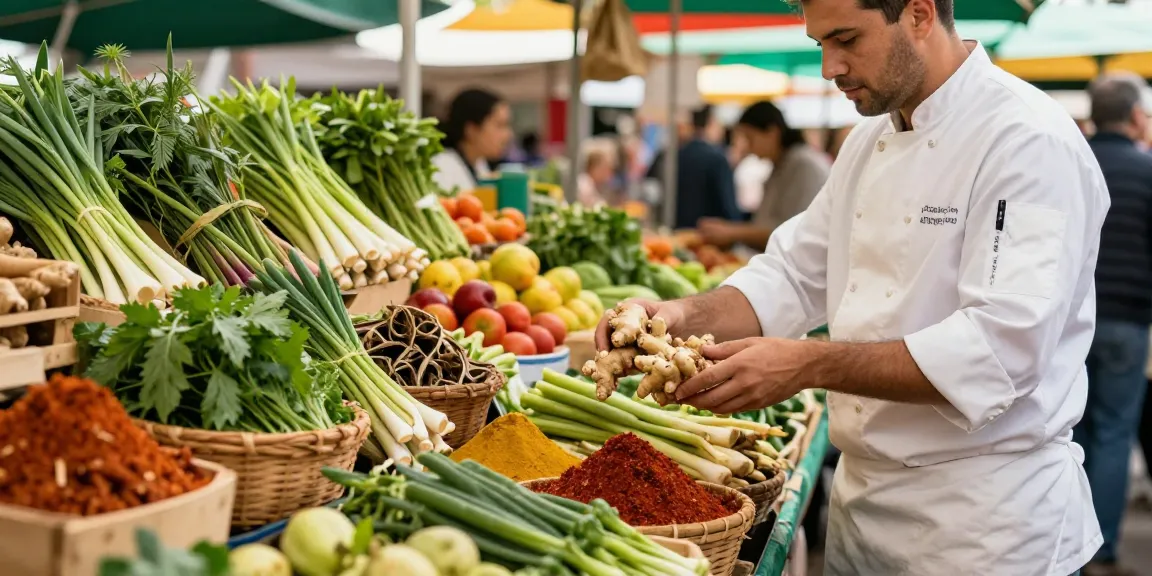
The gourmet market is witnessing several key trends that are shaping the way businesses operate. From the rise of artisanal foods to the increasing interest in ethnic cuisines, the gourmet sector is diverse and dynamic. One significant trend is the focus on locally sourced and organic ingredients. Consumers are more conscious than ever about where their food comes from, often preferring products that support local farmers and sustainable practices.
Moreover, the demand for unique flavor profiles is on the rise. Gourmet businesses are responding by offering innovative products that incorporate exotic ingredients or regional specialties. Boutiques and gourmet shops are also expanding their offerings to include items such as gourmet condiments, specialty cooking oils, and gourmet snack foods. The intersection of health and gourmet food is becoming increasingly important, with businesses emphasizing organic, gluten-free, and vegan options to cater to a broader audience.
Consumer Preferences Shaping Business Strategies
Understanding consumer preferences is essential for success in the gourmeticat business. Many gourmet consumers are younger, health-conscious individuals who seek quality and authenticity in their food choices. As a result, businesses are adapting their strategies to include transparency in sourcing and production methods. This demographic appreciates brands that tell a story about their origins and processes, leading to an emphasis on branding that highlights artisanal qualities.
Social media also plays a crucial role in shaping consumer behavior. Platforms like Instagram and Pinterest are commonly used for food inspiration, influencing purchasing decisions. Businesses are leveraging these platforms by showcasing their products through eye-catching visuals and engaging content, thus establishing a strong online presence that connects with their target market.
Impact of Health Consciousness on Gourmet Offerings
Health consciousness among consumers is transforming the gourmet food industry. As people become more aware of nutrition and wellness, gourmet businesses are responding by developing products that cater to these preferences. This shift includes a surge in demand for low-sugar, low-carb, and high-protein gourmet items. Many gourmet brands are innovating to include superfoods and other health-boosting ingredients in their products.
Furthermore, the trend towards plant-based eating is gaining momentum. Many gourmet businesses are introducing vegetarian and vegan alternatives that not only meet dietary restrictions but also attract a wider audience. This focus on health does not compromise taste or quality; instead, it elevates the culinary experience for consumers who desire both indulgence and wellness.
Challenges Facing Gourmeticat Businesses Today
While the gourmet market is growing, it is not without its challenges. Businesses must navigate a range of hurdles that can impact their success. Understanding these challenges is crucial for current and aspiring gourmeticat business owners.
Supply Chain Management Issues
One of the most pressing issues for gourmet businesses is supply chain management. The sourcing of high-quality ingredients often involves complex logistics, particularly when dealing with artisanal and locally produced products. Disruptions in the supply chain, whether due to climate change, political factors, or economic fluctuations, can pose significant challenges for gourmet food companies.
Furthermore, maintaining the freshness and quality of gourmet items during transportation can be difficult. Businesses must develop robust supply chain strategies that ensure consistent availability of products while preserving their high standards of quality.
Competition from Large Retailers
Competition in the gourmet food sector is intense, particularly from large retailers that are increasingly entering the market. These corporations often have the advantage of economies of scale and greater marketing budgets, which can make it challenging for smaller gourmet businesses to compete. As a result, gourmet brands must differentiate themselves through exceptional quality, unique product offerings, and outstanding customer service.
Additionally, online retail giants are changing the way consumers shop for gourmet products, making it essential for small businesses to adapt their strategies to remain relevant in a crowded market. Finding niche segments and building loyal customer bases can help smaller businesses withstand competitive pressures.
Adapting to Digital Transformation in Sales
Digital transformation is reshaping the retail landscape, and gourmet businesses must embrace this change to thrive. E-commerce and direct-to-consumer sales have become vital components of business strategies, especially post-pandemic. However, adapting to digital sales channels can be daunting for gourmet businesses that have traditionally relied on in-person sales.
Investing in technology, from establishing a user-friendly website to utilizing data analytics for understanding consumer behavior, is crucial for staying competitive. Moreover, effective online marketing strategies, including social media engagement and search engine optimization, can significantly enhance visibility and drive sales.
Strategies for Success in the Gourmeticat Sector
To navigate the complexities of the gourmet business landscape, companies must adopt effective strategies that promote growth and sustainability. Here are some actionable insights for aspiring gourmeticat entrepreneurs.
Building a Unique Brand Identity
Creating a strong brand identity is essential for standing out in the gourmet market. Businesses should focus on developing a unique value proposition that resonates with their target audience. This includes emphasizing the quality of ingredients, the story behind the products, and the brand's commitment to sustainability and ethical sourcing.
Storytelling is a powerful tool in branding. Consumers are drawn to brands that connect with them on a personal level. Incorporating elements of the brand’s history, mission, and the people behind the products can create a deeper emotional connection and foster brand loyalty.
Leveraging Online Marketing Techniques
In the digital age, online marketing is not an option but a necessity for gourmet businesses. Utilizing social media platforms to showcase products, share recipes, and engage with consumers can significantly boost visibility. Influencer collaborations also offer opportunities to reach new audiences and enhance credibility.
Email marketing campaigns can be effective in nurturing customer relationships and promoting special offers. Additionally, search engine optimization (SEO) should be a priority for businesses looking to enhance their online presence and attract organic traffic. Using keyword-rich content and maintaining an active blog can support these efforts.
Creating Innovative Product Offerings
Innovation is key in the gourmet industry. Businesses must continuously seek to develop new products that reflect changing consumer tastes and preferences. Experimenting with flavors, textures, and packaging can set a brand apart from competitors.
Seasonal products and limited-edition releases can create excitement and urgency among consumers, encouraging trial purchases. Collaborating with local producers and chefs can also lead to exclusive offerings that highlight local culture and cuisine, making the product line even more appealing.
Real-World Case Studies: Success in Gourmeticat Business
Examining successful gourmet businesses provides valuable insights into effective strategies and best practices. By analyzing their journeys, aspiring gourmeticat entrepreneurs can learn from their experiences and apply similar tactics in their ventures.
Successful Gourmet Food Startups
Numerous gourmet food startups have made a mark in the industry by leveraging authenticity and quality. Companies like Moon Meats, which specializes in handcrafted charcuterie, focus on sustainable sourcing and artisanal methods, attracting health-conscious consumers who value quality over quantity.
Another example is The Spice House, known for its premium spices and blends. They emphasize their commitment to freshness and quality, which resonates well with gourmet consumers looking for authentic flavors in their culinary endeavors.
Lessons from Established Gourmet Brands
Established gourmet brands, such as Stonewall Kitchen and Vosges Haut-Chocolat, illustrate the importance of strong branding and effective distribution strategies. Stonewall Kitchen has built a loyal customer base through high-quality products and exceptional customer service, while Vosges has successfully differentiated itself with unique flavors and premium packaging.
Both companies highlight the importance of maintaining high product standards and engaging with consumers through storytelling and brand experiences.
Impactful Marketing Campaigns to Note
Successful marketing campaigns can greatly influence the visibility and reputation of gourmet brands. Brands like Blue Apron have utilized targeted advertising and influencer partnerships to create buzz around their gourmet meal kits, appealing to consumers looking for convenience without sacrificing quality.
Another notable example is Ben & Jerry's, which has soared due to its commitment to social responsibility and advocacy. Their marketing campaigns often highlight social issues and sustainability, strongly resonating with millennial and Gen Z consumers, ultimately driving sales.
Future Predictions for the Gourmeticat Industry
The gourmeticat business landscape is poised for further transformation. Key predictions for the industry in 2026 include an increasing focus on sustainability, innovations in technology, and the continued rise of health-conscious consumers.
Emerging Trends to Watch in 2026
As we move forward, emerging trends such as functional foods—products that provide health benefits beyond basic nutrition—are likely to gain momentum. Consumers will seek foods that not only delight the palate but also offer added health advantages, such as immune-boosting properties.
Additionally, the trend toward personalization will enable consumers to seek products tailored to their specific dietary needs and preferences. This could lead to an increase in bespoke gourmet products that cater to individualized customer requests.
The Role of Sustainability in Gourmet Foods
Sustainability will remain a critical priority for gourmet businesses. As consumers become more environmentally conscious, they will demand transparency regarding sourcing and production practices. Companies that prioritize sustainable practices and communicate these efforts effectively will likely build stronger reputations and customer loyalty.
Furthermore, the trend toward zero-waste initiatives in food production will transform the way businesses operate, pushing them to innovate creatively in product development and packaging.
Technological Innovations Influencing Gourmet Businesses
Technological advancements will continue to shape the gourmet industry. From artificial intelligence in supply chain management to augmented reality in marketing, businesses will increasingly adopt new technologies to enhance operational efficiencies and customer experiences.
Moreover, the fusion of technology and culinary arts will allow for unique dining experiences, bridging the gap between gourmet food and technology-driven solutions. Gourmet businesses that embrace these innovations are likely to thrive in an ever-evolving marketplace.
What does the term "gourmeticat business" mean?
The term "gourmeticat business" refers to businesses that specialize in high-quality, often artisanal food products that cater to discerning consumers. These businesses focus on unique flavors, premium ingredients, and overall culinary excellence.
How do I start a gourmet food business?
Starting a gourmet food business requires careful planning and market research. Entrepreneurs should identify their niche, develop a business plan, source high-quality ingredients, and focus on branding and marketing strategies that differentiate their offerings in a competitive market.
What are examples of successful gourmet businesses?
Examples of successful gourmet businesses include artisanal cheese shops, specialty chocolate makers, and gourmet meal delivery services. Each of these businesses has carved out a niche by prioritizing quality, craftsmanship, and customer experience.
What marketing strategies work for gourmet businesses?
Effective marketing strategies for gourmet businesses include social media engagement, influencer partnerships, storytelling in branding, and targeted email marketing. Utilizing visually appealing content can also enhance brand visibility and attract new customers.
How can gourmet businesses adapt to changing consumer preferences?
Gourmet businesses can adapt by staying attuned to consumer trends and preferences, offering innovative and diverse product lines, and maintaining open communication with their customers. Flexibility and responsiveness to feedback are key in evolving the product offerings to meet changing needs.