Overview of Robotics at WAIC 2026
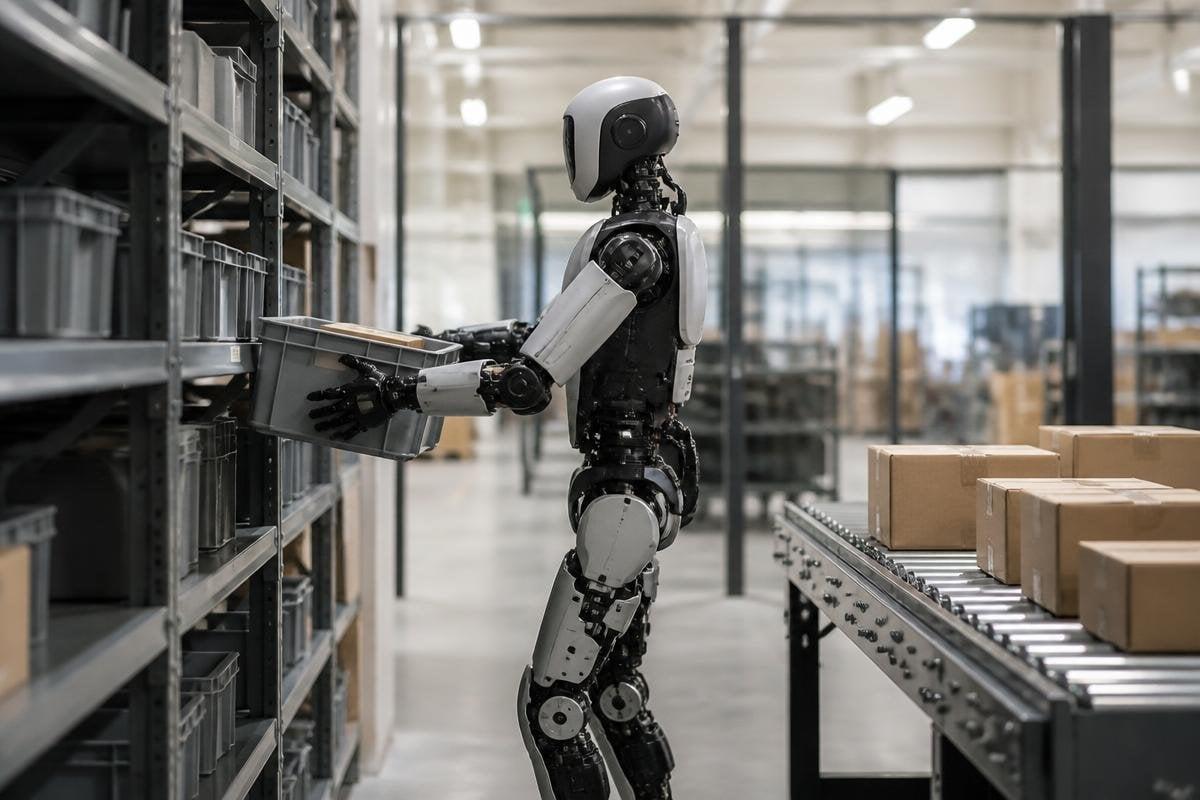
The World Artificial Intelligence Conference (WAIC) 2026 is shaping up to be a monumental event in the world of robotics, showcasing innovations that are set to redefine industry standards. With a focus on AI integration and humanoid robotics, the conference highlights the ongoing evolution of technology, bringing advancements that can significantly alter everyday interactions between machines and humans. As innovators like BrainCo, AGIBOT, and others unveil their latest prototypes, attendees can expect to see a convergence of artificial intelligence and practical robotics applications. For those keen to stay updated on these developments, Robot24 provides comprehensive insights into the latest trends in the robotics sector.
What to Expect from Robot24's Showcase?
Robot24 plans to feature an array of cutting-edge technologies that showcase the future of robotics. This includes live demonstrations, interactive exhibits, and presentations by leading experts. Notably, attendees will witness the unveiling of BrainCo’s revolutionary brain-to-robot AI platform, which promises to bring a new level of sophistication to humanoid robots, allowing them to understand and respond to human commands intuitively. Furthermore, the showcase will include discussions on the implications of robotics in various fields including hospitality, education, and healthcare.
Key Innovations in Humanoid Robotics
The landscape of humanoid robotics is evolving rapidly, with several groundbreaking innovations reported at WAIC 2026. For instance, Muks Robotics has introduced the Spaceo Prime, a prototype designed for space exploration that mirrors human movement with remarkable accuracy. Additionally, XPENG's ambitious plan to produce 1,000 Iron humanoid robots monthly by 2027 highlights the industry's commitment to scaling production capabilities. These advancements are not just about enhancing functionality but also about making robots more relatable and user-friendly.
Significance of AI Integration in Robotics
AI integration is pivotal for advancing the capabilities of robots, enabling them to learn from experience and adapt to dynamic environments. This is particularly essential in areas such as service industries, where robots must interact with customers in natural and intuitive ways. The introduction of technology like the Coherence Guard from Palm Garden allows robots to behave more naturally around people, which is crucial for user acceptance and trust. The marriage of AI and robotics heralds a new era of innovation that could result in significant improvements in efficiency and user satisfaction.
BrainCo's Brain-to-Robot AI Platform
BrainCo's recent announcement of its brain-to-robot AI platform represents a significant leap in robotics technology. This innovative platform leverages advanced neural technologies to enable real-time communication between human brains and robots, allowing for a seamless transfer of commands and actions. The implications are vast, with potential applications extending from cooking to complex manufacturing processes.
Understanding the Technology Behind It
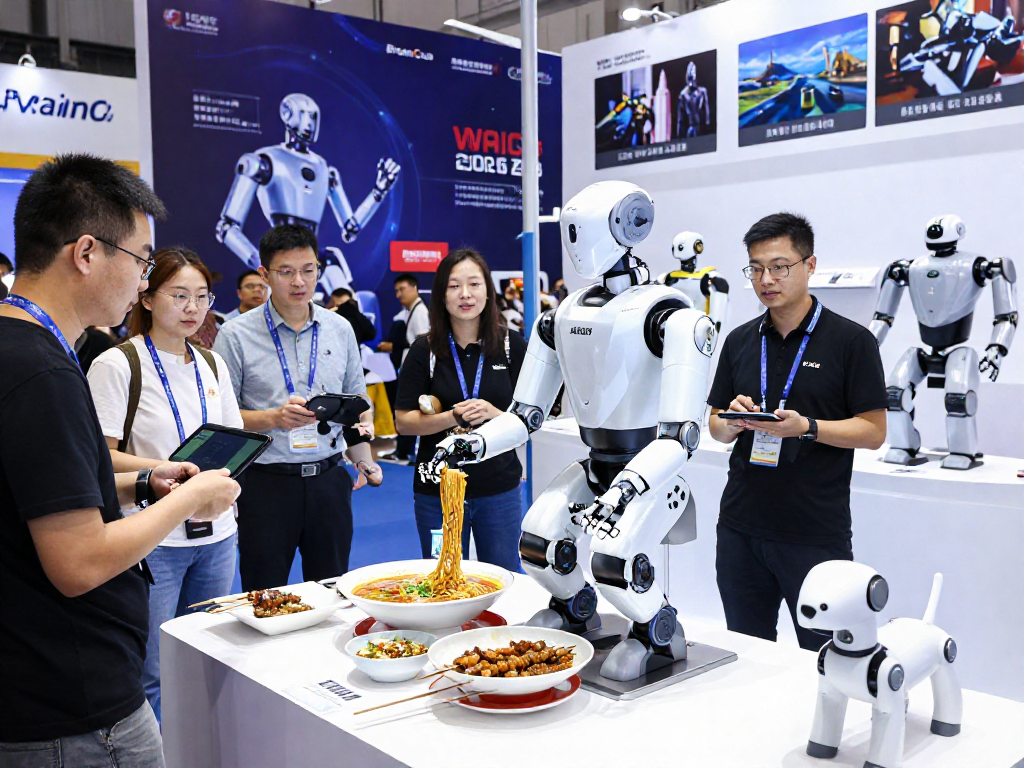
The technology behind BrainCo’s platform is rooted in neuroscience, utilizing brainwave data to inform robot behavior. By employing sophisticated algorithms, this platform interprets user intentions and translates them into actionable tasks for robots, enhancing the user experience. For instance, during its demonstration at WAIC 2026, a humanoid robot prepared kebabs and hand-pulled noodles, a feat that illustrates the platform's practical applications in culinary settings.
Real-World Applications for Culinary Robots
The real-world applications of BrainCo's technology are staggering. In culinary environments, robots equipped with this AI platform can take on tasks that require precision and efficiency, such as placing ingredients in their exact locations or adjusting cooking temperatures in real-time. This can drastically improve the speed and quality of food preparation in restaurants, catering services, and even home kitchens. Furthermore, as this technology becomes more widespread, it could lead to entirely new culinary experiences driven by robotic chefs.
Future Improvements and Expectations
Looking ahead, expectations for BrainCo’s platform include continuous learning capabilities, where robots could adapt to individual cooking styles or dietary preferences over time. Additionally, there are hopes for more intuitive interfaces that allow users to interact with robots verbally or through gestures, further bridging the gap between human intuition and robotic execution.
Emerging Trends in Humanoid Robotics
The robotics landscape is witnessing several emerging trends that promise to redefine how we interact with machines. With innovations announced at WAIC 2026, it's clear that the future of humanoid robotics is bright and filled with potential.
Current Innovations from Major Players
AGIBOT has unveiled four new models that demonstrate the versatility and real-world operational capabilities of their humanoid robots. Each model is designed with specific tasks in mind, ranging from customer service to agile assembly operations in manufacturing. Similarly, PrimeBOT's Qiyuan T1 is making headlines as the world’s first transformable humanoid robot, capable of adapting its physical form to perform different tasks.
Impact of Technology on Everyday Life
The impact of humanoid robotics on everyday life cannot be overstated. As these technologies become integrated into various sectors, they promise to improve efficiency and transform traditional roles. For instance, humanoid robots acting as teaching assistants, as seen at Salamanca High School, can enrich educational experiences by providing personalized assistance to students.
Predictions for Industry Growth by 2026
According to industry analyses, the robotics market is expected to see substantial growth by 2026, primarily driven by increasing demand for automation and intelligent systems across sectors such as healthcare, hospitality, and education. With significant investments flowing into robotics startups and innovations, the industry is poised for exponential growth.
Educational Robots in Classrooms
As robotics technology continues to evolve, its applications in educational settings are becoming increasingly important. Humanoid robots are being introduced as teaching assistants to engage students in interactive learning experiences.
Benefits of Humanoid Robots in Education
The integration of humanoid robots in educational settings offers numerous benefits. These robots can provide personalized tutoring, help manage classrooms, and facilitate creative projects. Their ability to interact with students in a friendly and engaging manner helps in developing critical social skills, which are essential for academic success.
Real Examples from Salamanca High School
One notable example comes from Salamanca High School, where a humanoid robot has been introduced as a classroom teaching assistant. This robot helps in delivering lessons, answering students’ questions, and even facilitating group projects. The feedback from both teachers and students has been overwhelmingly positive, demonstrating how technology can enhance the educational experience.
Challenges and Opportunities in Integration
Despite the evident benefits, integrating humanoid robots into classrooms does present challenges. These include the need for teacher training, budget considerations, and concerns regarding the appropriateness of robot interactions. However, with thoughtful implementation and continuous evaluation, the opportunities for enhanced learning experiences far outweigh these challenges.
The Future of Robotics: What Lies Ahead
As we look towards the future, the robotics industry is set to undergo significant transformation. With advancements in AI, machine learning, and robotics engineering, we can expect to see a host of new trends and insights emerging.
Market Trends and Consumer Demand Analysis
Market trends indicate a growing consumer demand for automation in both domestic and industrial settings. Households are increasingly looking for smart home technologies that can integrate seamlessly with human activities, while businesses aim to enhance operational efficiencies through automation.
Potential Job Disruptions and New Opportunities
While increased automation may disrupt certain job sectors, it also presents new opportunities in robotics development, maintenance, and operation. Workers will need to adapt to these changes, acquiring new skills that complement emerging technologies.
Expert Insights and Predictions for 2026 and Beyond
Experts project that by 2026, we will see a more profound integration of robotics into daily life, with machines aiding in everything from household chores to complex industrial tasks. As robots become more advanced, their applications will expand further, leading to societal shifts in how we perceive work and productivity.
How Will Robotics Change Our Lives?
Robotics is poised to bring significant changes to our lifestyles. From autonomous vehicles to personal assistant robots, the implications of this technology will affect how we work, live, and interact with our environment.
What Are the Ethical Implications of Humanoid Robots?
The rise of humanoid robots raises important ethical questions regarding privacy, security, and the delineation of human roles. As robots take on tasks traditionally performed by humans, society must navigate these complexities responsibly.
Can Humanoid Robots Really Assist in Cooking?
Absolutely! The capabilities of humanoid robots in culinary tasks are rapidly gaining traction, with AI advancements enabling them to perform intricate cooking techniques with precision and flair. This trend will likely become more commonplace as technology evolves.
What Innovations Should We Expect Post-WAIC 2026?
Post-WAIC 2026, we can anticipate innovations that enhance robot adaptability and functionality, particularly in integrating AI with sensory feedback systems. This could lead to robots that can learn from their environment and adjust to new tasks dynamically.